
Maatschappelijke Participatie Metropool Amsterdam
It starts with self‑determination


Frameworks for Practical & Integral Accessibility
Practical Accessibility
If your organisation wants to contribute to an inclusive society in which everyone can participate, we would be happy to discuss the possibilities with you.
MPMA advises organisations on improving physical accessibility. We identify bottlenecks in buildings, routes and facilities, and translate these into practical, directly applicable recommendations. In doing so, we support organisations in creating accessible, safe and user‑friendly environments.
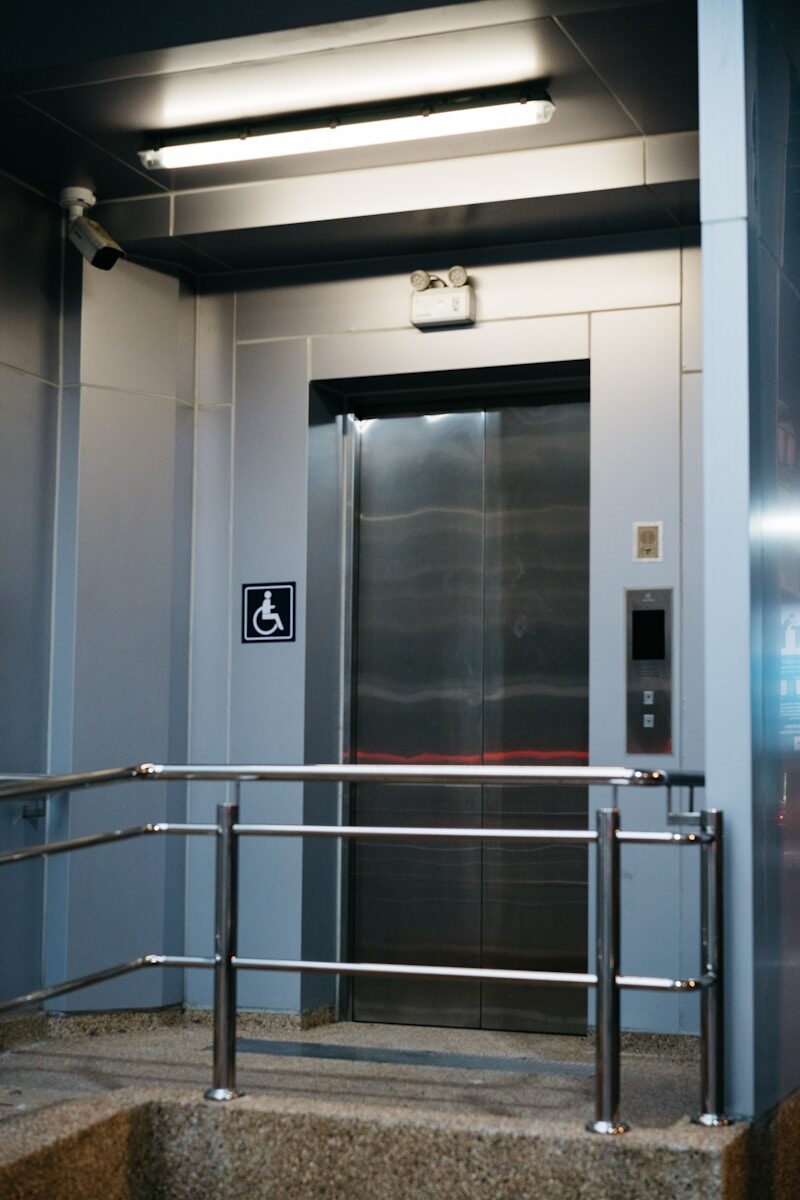
Our focus is on the existing situation. Sometimes it involves small, practical adjustments that make an immediate difference. For example, obstacles that can be moved, a doorway that can be widened, an adapted layout, or the question of whether a clean and wheelchair‑accessible toilet (MIVA toilet) is available. A location may be presented as accessible, but without a MIVA toilet, this is not the case in practice.
MPMA does not provide architectural consultancy. If such expertise is needed, we can look together at qualified parties who can provide architectural guidance.
Integral Accessibility Standard
The Building Decree describes the minimum technical requirements for construction, but these are not sufficient to realise a truly integrally accessible built environment. That is why the principles of accessibility have been further elaborated in additional standards and design guidelines.
In these standards, national and international accessibility guidelines and norms have been translated into concrete technical building requirements that can be applied in both design and execution. This creates a practical synthesis between accessibility guidelines and regular construction practice, enabling the realisation of a truly accessible environment.
Via the button on the left, you will be redirected to the PBTconsult website for more information and the most up‑to‑date versions of the standards.
Additional Relevant Information
The Social Support Act (Wmo) is primarily aimed at residents, but it also has indirect relevance for organisations. Based on the Wmo, municipalities have the responsibility to enable everyone to participate in society. This means they actively work on improving physical accessibility in public spaces and in public facilities.
For organisations, this can mean the following:
- Encouragement from the municipality to become more accessible, for example through local accessibility agendas or agreements with business associations.
- Guidelines and expectations regarding accessibility for public functions such as shops, hospitality venues, sports facilities and cultural institutions.
- Collaboration with the municipality on projects aimed at improving accessibility.
- Demand for services that contribute to accessibility, such as accessibility assessments, training or practical improvements to buildings and routes.
The Wmo is not a subsidy scheme for businesses, but it does form the policy framework from which municipalities develop their accessibility policies and assignments. This creates opportunities for organisations to contribute to an inclusive society and to strengthen their own accessibility.
MPMA
It starts with self‑determination